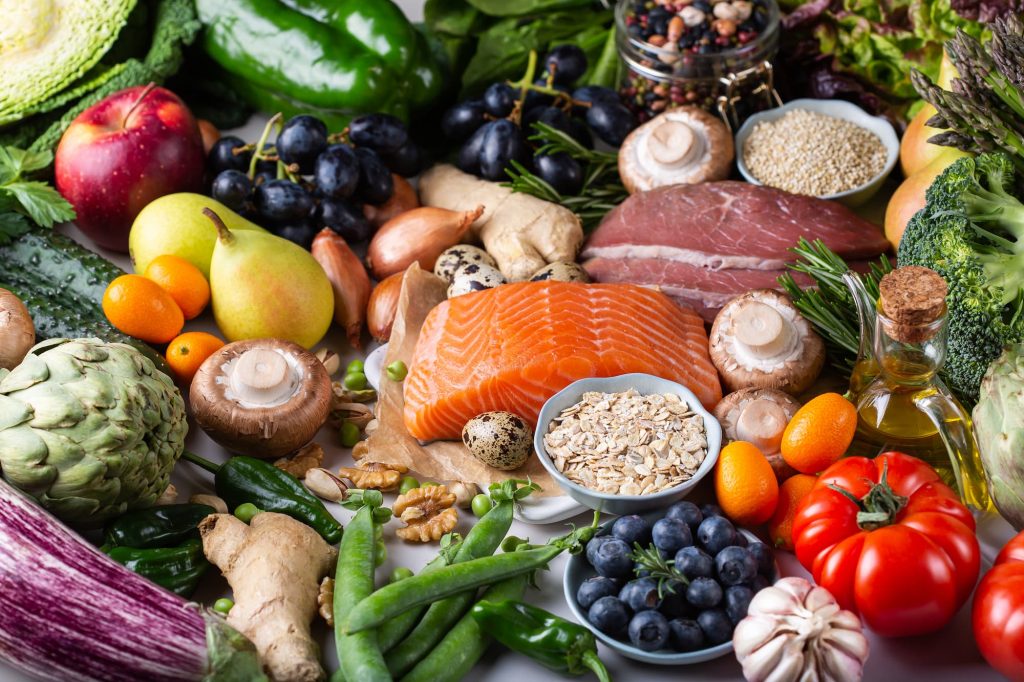
Weight loss is a journey that many embark on for various reasons, whether it’s to improve health, boost confidence, or increase energy levels. For those using Mounjaro, a GLP-1 medication, this journey can be significantly supported by making informed dietary choices. At My Unified Telehealth, we specialize in weight loss drugs and aim to guide you through this process with expert advice. This article will explore what to eat while taking Mounjaro for weight loss, helping you maximize the medication’s benefits.
Understanding Mounjaro and GLP-1 Medications
What is Mounjaro?
Mounjaro is a GLP-1 (glucagon-like peptide-1) receptor agonist, a class of medications that has shown remarkable effectiveness in weight loss and managing type 2 diabetes. It works by mimicking the GLP-1 hormone, which helps regulate appetite and blood sugar levels. By enhancing the body’s natural response to food intake, Mounjaro helps users feel fuller faster and longer, reducing overall calorie intake.
Benefits of GLP-1 Medications for Weight Loss
GLP-1 medications like Mounjaro offer several benefits:
- Appetite Control: They help control hunger by affecting appetite-regulating hormones.
- Blood Sugar Regulation: They aid in stabilizing blood sugar levels, which is crucial for preventing spikes and crashes that can lead to overeating.
- Weight Reduction: Studies have shown significant weight loss in individuals using GLP-1 medications.
The Role of Diet in Enhancing the Effects of Mounjaro
While Mounjaro can significantly aid weight loss, its effectiveness is greatly enhanced when combined with a balanced diet. The right foods can complement the medication’s actions, making your weight loss journey smoother and more sustainable.
Recommended Foods to Eat While Taking Mounjaro
Lean Proteins
Including lean proteins in your diet is essential for muscle maintenance and repair, especially when losing weight. Opt for:
- Chicken and Turkey: Skinless breast portions are best.
- Fish: Rich in omega-3 fatty acids, such as salmon and mackerel.
- Tofu and Tempeh: Great plant-based protein sources.
- Beans and Legumes: Including lentils, chickpeas, and black beans.
Personal anecdote: One of our clients, Maria, found that incorporating grilled chicken and fish into her meals not only helped her stay full but also provided the energy she needed for her daily activities.
Whole Grains
Whole grains are a fantastic source of fiber, which aids digestion and helps you feel full longer. Consider:
- Brown Rice: A versatile base for many dishes.
- Quinoa: A protein-packed grain that can be used in salads and side dishes.
- Whole Wheat Bread and Pasta: More nutritious alternatives to their refined counterparts.
Fruits and Vegetables
A colorful array of fruits and vegetables should be a staple in your diet:
- Berries: Strawberries, blueberries, and raspberries are low in calories and high in antioxidants.
- Leafy Greens: Spinach, kale, and Swiss chard are nutrient-dense and versatile.
- Cruciferous Vegetables: Broccoli, cauliflower, and Brussels sprouts are great for satiety and health.
Healthy Fats
Incorporating healthy fats can help you feel satisfied and support overall health:
- Avocado: A delicious addition to salads and smoothies.
- Nuts and Seeds: Almonds, chia seeds, and flaxseeds provide healthy fats and protein.
- Olive Oil: Ideal for cooking and dressing salads.
Low-Fat Dairy
Low-fat dairy products can be a good source of protein and calcium:
- Yogurt: Choose Greek yogurt for a higher protein content.
- Skim Milk: A lower-calorie option for your morning cereal or coffee.
- Cheese: Opt for low-fat varieties and moderate your portions.
Foods to Avoid
Sugary Snacks and Beverages
High sugar intake can counteract the benefits of Mounjaro:
- Soda and Sweetened Drinks: These provide empty calories and can spike blood sugar levels.
- Candy and Desserts: Opt for healthier treats like fruit or dark chocolate in moderation.
Processed Foods
Processed foods often contain unhealthy fats, sugars, and preservatives:
- Fast Food: Typically high in calories, fats, and sodium.
- Ready Meals: Often contain high levels of preservatives and unhealthy ingredients.
- Processed Meats: Such as sausages and deli meats, which are high in sodium and unhealthy fats.
High-Fat Foods
Limiting high-fat foods can help maintain the balance needed for weight loss:
- Fried Foods: These are high in unhealthy fats and calories.
- Fatty Cuts of Meat: Opt for leaner cuts to reduce fat intake.
- High-Fat Dairy: Switch to low-fat or non-fat options.
Excessive Carbohydrates
While carbohydrates are important, moderation is key:
- White Bread and Pasta: These are less nutritious and can spike blood sugar levels.
- Pastries and Cakes: Often high in sugar and unhealthy fats.
Meal Planning and Preparation Tips
Importance of Meal Planning
Meal planning is crucial for consistency and success in your weight loss journey. By planning your meals, you can ensure that you have healthy options available and avoid the temptation of unhealthy foods.
Easy and Nutritious Meal Prep Ideas
- Breakfast: Greek yogurt with berries and a sprinkle of chia seeds.
- Lunch: Quinoa salad with mixed vegetables and a lean protein like chicken or tofu.
- Dinner: Baked salmon with a side of steamed broccoli and brown rice.
- Snacks: Apple slices with almond butter or a handful of nuts.
Personal anecdote: One of our team members, John, found meal prepping on Sundays incredibly helpful. By preparing his lunches and snacks for the week, he stayed on track and avoided the lure of fast food during busy workdays.
Sample Meal Plans for a Week
Day 1:
- Breakfast: Smoothie with spinach, banana, and almond milk.
- Lunch: Grilled chicken wrap with whole wheat tortilla, lettuce, and avocado.
- Dinner: Stir-fried tofu with mixed vegetables and quinoa.
- Snack: Carrot sticks with hummus.
Day 2:
- Breakfast: Oatmeal topped with berries and a drizzle of honey.
- Lunch: Salad with mixed greens, cherry tomatoes, cucumbers, and grilled shrimp.
- Dinner: Baked cod with sweet potato and green beans.
- Snack: Greek yogurt with a handful of nuts.
(Continue with a variety of meals for the rest of the week, ensuring a balance of proteins, whole grains, fruits, and vegetables.)
Hydration and Its Importance
The Role of Water in Weight Loss and Overall Health
Staying hydrated is crucial for weight loss and overall health. Water helps regulate body temperature, lubricate joints, and transport nutrients. It also aids digestion and can help you feel full, reducing the likelihood of overeating.
Recommended Daily Water Intake
Aim to drink at least 8 glasses of water per day, but adjust based on your activity level, climate, and individual needs.
Tips for Staying Hydrated
- Carry a Water Bottle: Keep a refillable water bottle with you throughout the day.
- Infuse Your Water: Add slices of lemon, cucumber, or mint to make drinking water more enjoyable.
- Set Reminders: Use an app or set alarms to remind you to drink water regularly.
Listening to Your Body
Understanding Hunger and Fullness Cues
Learning to recognize your body’s hunger and fullness signals is vital. Eat when you’re hungry, but avoid eating out of boredom or stress.
Eating Mindfully
Practice mindful eating by paying attention to your food’s taste, texture, and aroma. This can help you enjoy your meals more and prevent overeating.
Adjusting Your Diet Based on How You Feel
Be flexible with your diet. If a particular food doesn’t make you feel good, don’t force yourself to eat it. Everyone’s body is different, and it’s essential to find what works best for you.
Supplements and Additional Support
Discussion of Any Necessary Supplements
While a balanced diet should provide most of your nutritional needs, some supplements might be beneficial. Consult with your healthcare provider to determine if you need additional vitamins or minerals.
Consulting with Healthcare Providers for Personalized Advice
Your healthcare provider can offer personalized advice based on your medical history and individual needs. Regular check-ins can help you stay on track and adjust your plan as necessary.
Exercise and Lifestyle Tips
Complementing Diet with Regular Physical Activity
Exercise is a crucial component of a successful weight loss journey. It not only burns calories but also improves mood, boosts energy, and supports overall health.
Types of Exercises That Pair Well with Mounjaro
- Cardio: Walking, running, cycling, or swimming to increase heart rate and burn calories.
- Strength Training: Weight lifting or resistance exercises to build muscle and boost metabolism.
- Flexibility and Balance: Yoga or Pilates to improve flexibility and reduce stress.
Importance of Sleep and Stress Management
Adequate sleep and stress management are often overlooked but are vital for weight loss. Aim for 7-9 hours of sleep per night and practice stress-reducing techniques such as meditation, deep breathing, or hobbies you enjoy.
Conclusion
Combining Mounjaro with a well-balanced diet and healthy lifestyle choices can significantly enhance your weight loss efforts. By incorporating lean proteins, whole grains, fruits, vegetables, and healthy fats into your meals, staying hydrated, and exercising regularly, you can achieve your weight loss goals more effectively. Remember, the journey is personal, and what works for one person might not work for another. At My Unified Telehealth, we encourage you to consult with healthcare professionals to tailor your plan to your unique needs. Here’s to a healthier, happier you!